


From knowledge to possibility.
Designing paths that open.
Learning is not simply the transfer of information. It is the moment someone begins to see a subject, a skill, or their own potential differently. Yet learners now move between classrooms, communities, platforms, and workplaces, often through systems built around institutional structures rather than the way curiosity and confidence actually grow.
Education organizations have an opportunity to make learning more connected, navigable, and alive. That requires a clear promise, experiences that respect different needs, and tools that support educators as thoughtfully as they support learners. When stories and systems work together, education can feel less like a pathway people must follow and more like a possibility they can enter.
Design for belief in progress
People keep learning when they can understand where they are, see what comes next, and recognize that effort is changing something. Clear journeys, useful feedback, and moments of accomplishment make progress visible without reducing learning to a score or a completed task.
Make access part of quality
An educational experience cannot be excellent if people are excluded by language, ability, technology, cost, or context. Accessibility should shape the proposition, content, interactions, and delivery model from the beginning. Designing for a wider range of learners often makes the experience clearer and more useful for everyone.
Empower the people who teach
Educators and facilitators carry the experience into practice. They need tools, content, guidance, and systems that support judgment rather than add administrative weight. The strongest learning platforms create coherence while leaving enough flexibility for teachers to respond to the people in front of them.
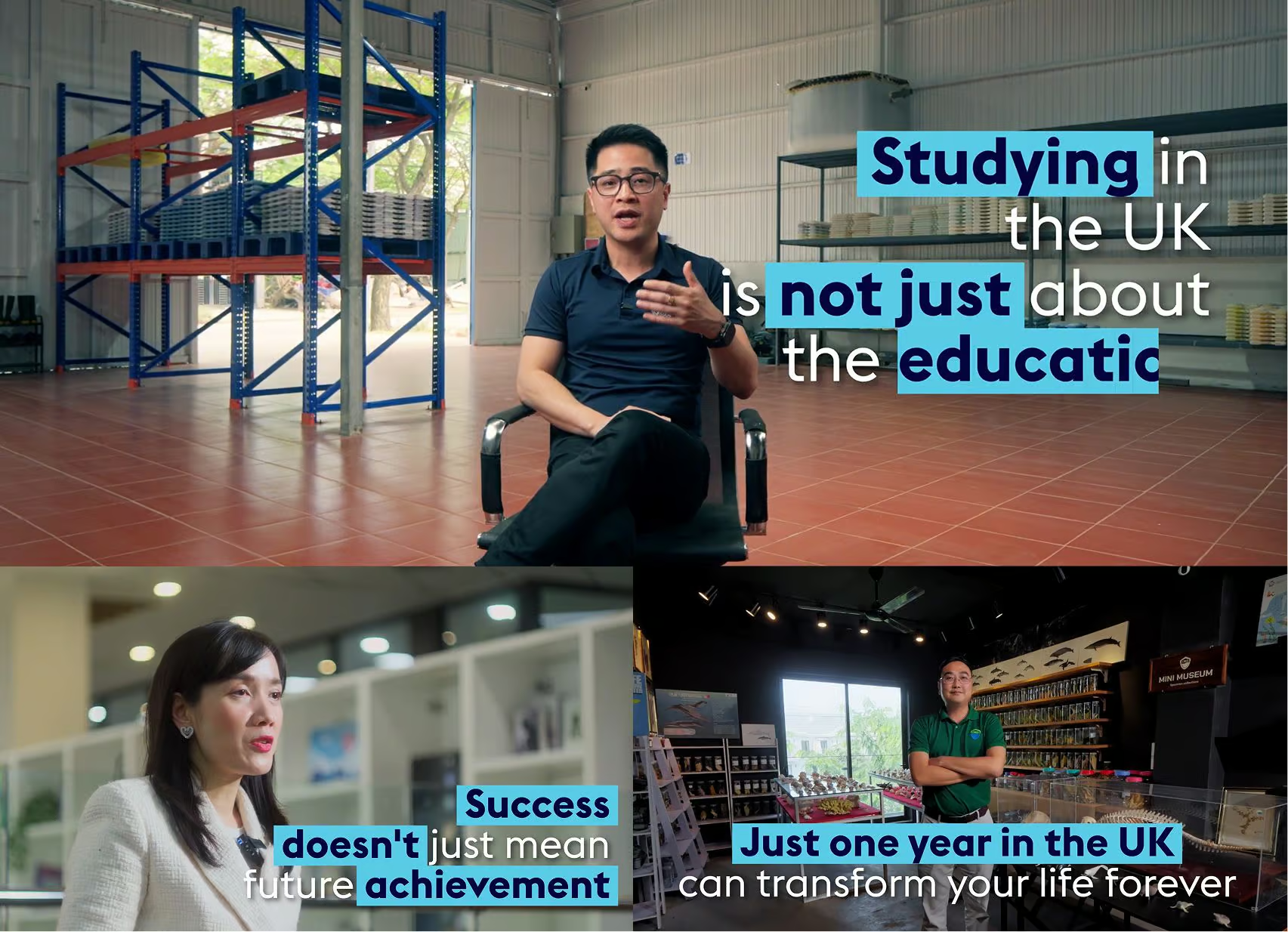
GREAT Study UK Alumni Documentary Interview
Digital Storytelling, Integrated Marketing Communications